

nickel waste and scrap-SPAIN IMPORTERS
Spain Nickel Waste and Scrap Importers (HS Code 750300) - Complete Trade Intelligence
Spain imported $8.07 million worth of nickel waste and scrap (HS Code 750300) in 2024, totaling 1.08 million kilograms, primarily from Italy, Germany, and France. At the same time, Spain exported $15.96 million in nickel scrap (1.74 million kg), making it a net exporter with an approximately $7.9 million trade surplus. The global nickel scrap market is valued at $8.4 billion in 2025 and is projected to reach $14.2 billion by 2033, growing at a CAGR of 7.3%. With a global nickel recycling rate of 68% and 4.4-4.6 million tonnes of nickel-bearing scrap recycled annually, Spain plays an important role in the European circular economy for critical raw materials. This page provides comprehensive trade intelligence on Spain's nickel waste and scrap import market, key importers, industry statistics, and expert analysis.
Cometal S.A. - Madrid's Leading Metallurgical Trading Company
Cometal S.A. is one of Spain's most established metallurgical trading companies, founded in 1963 as a subsidiary of the German Metallgesellschaft AG. Headquartered at Calle de Jose Lazaro Galdiano 4, 28036 Madrid, the company has accumulated over 60 years of experience in the international trade of metallurgical products for the steel and foundry sectors. Cometal is ISO 9001 certified and maintains import relationships with 25 countries across five continents, including Australia, Austria, Belgium, Brazil, Canada, China, Czech Republic, Dominican Republic, Estonia, Finland, France, Germany, India, Italy, Mexico, Netherlands, Russia, South Africa, South Korea, Sweden, Turkey, United Kingdom, Vietnam, Zambia, and Zimbabwe. Their annual nickel and metal scrap import volume exceeds 1,000,000 euros, placing them among Spain's top-tier metal importers.
Cometal S.A. Contact Details
| Detail | Information |
|---|---|
| Company | Cometal S.A. |
| Address | Calle de Jose Lazaro Galdiano 4, 28036 Madrid, Spain |
| Phone | +34 91 458 5980 |
| Fax | +34 91 458 5987 |
| cometal@cometalsa.com | |
| Website | www.cometalsa.com |
| Founded | 1963 (60+ years) |
| Import Range | Higher than 1,000,000 euros annually |
| Source Countries | 25 countries including Turkey, China, Russia, USA, Brazil |
LAJO Y RODRIGUEZ SA (Lyrsa) - Spain's Former Scrap Metal Leader
LAJO Y RODRIGUEZ SA, known by its brand name Lyrsa, was founded in 1939 and operated as Spain's leading scrap metal recycling company for over 80 years. At its peak, Lyrsa operated 18 recycling centers across Spain with approximately 600 employees, processing significant volumes of ferrous and non-ferrous metals including nickel, copper, aluminum, zinc, lead, and iron scrap. In December 2019, Lyrsa was acquired by France's Derichebourg Environnement, becoming part of one of Europe's largest recycling groups. The company imported nickel and other base metals from 15 countries including Andorra, Costa Rica, Dominican Republic, Ecuador, France, Germany, Gibraltar, Israel, Marshall Islands, Panama, Paraguay, Portugal, and Uruguay. Their product range covered HS codes for plastics, iron and steel, copper, nickel, aluminum, lead, zinc, tin, other base metals, and electrical machinery.
Lyrsa Company Details
| Detail | Information |
|---|---|
| Company | LAJO Y RODRIGUEZ SA (Lyrsa) |
| Founded | 1939 (80+ years) |
| Recycling Centers | 18 centers across Spain |
| Employees | ~600 |
| Acquired By | Derichebourg Environnement (December 2019) |
| Website | www.lyrsa.es/en |
| Source Countries | 15 countries across Europe and Americas |
Spain's Nickel Scrap Trade Data (HS Code 750300)
| Metric | Value |
|---|---|
| Spain Imports (2024) | $8.07 million (1.08M kg) |
| Spain Exports (2024) | $15.96 million (1.74M kg) |
| Trade Balance | +$7.9 million surplus (net exporter) |
| Top Import Sources | Italy, Germany, France |
| Top Export Destinations | Germany ($5.4M), UK ($3.2M), Italy ($2.8M) |
| Global Market Size (2025) | $8.4 billion |
| Projected Market (2033) | $14.2 billion (7.3% CAGR) |
| Global Recycling Rate | 68% (up from 63% since 2000) |
| Annual Global Scrap Volume | 4.4-4.6 million tonnes |
Similar Companies and Related Pages
| Company / Page | Category | View |
|---|---|---|
| Importers HS Section XV - Base Metals (Nickel) | Nickel Importers | View |
| Importers HS Section XV - Base Metals | Nickel Waste & Scrap | View |
| Sumitomo of America - USA Importers | Nickel Alloys | View |
| Metal Scrap Importers - Turkey | Scrap Metal | View |
| Stainless Steel Scrap Exporters - Turkey | Steel Scrap | View |
| Metal Scrap Importers - India | Scrap Metal | View |
| Stainless Steel Scrap Importers - India | Steel Scrap | View |
| Importing Companies - Romania | Metal Recycling | View |
| Spain Importers Directory | Spain Directory | View |
| HS Code 71129900 - UK Importers (Silver Scrap) | Metal Scrap | View |
Frequently Asked Questions (FAQ)
What is HS Code 750300?
HS Code 750300 classifies nickel waste and scrap under the Harmonized System of tariff nomenclature. This code covers all forms of nickel waste, including nickel-bearing scrap from manufacturing processes, end-of-life products containing nickel, nickel alloys scrap, and recycled nickel materials. The code falls under Chapter 75 (Nickel and Articles Thereof) of the HS classification system. Spain imported $8.07 million worth of nickel waste and scrap under this HS code in 2024, while exporting $15.96 million, positioning itself as a net exporter in this category.
Who are the main nickel scrap importers in Spain?
The two principal nickel waste and scrap importers identified in Spain are Cometal S.A. and LAJO Y RODRIGUEZ SA (Lyrsa). Cometal S.A., founded in 1963 and headquartered in Madrid, imports nickel and metallurgical products from 25 countries with annual import volumes exceeding 1 million euros. Lyrsa, founded in 1939 and acquired by France's Derichebourg Environnement in 2019, operated 18 recycling centers with 600 employees and imported base metals including nickel from 15 countries. Additional Spanish companies involved in metal recycling include CELSA Group (Barcelona), Toferla S.L., Alemetal, and TYR Metals.
What is the global nickel recycling rate and why does it matter?
The global nickel recycling rate stands at approximately 68%, up from 63% since the year 2000. This means that 68% of all nickel consumed globally is derived from recycled sources rather than primary mining. Between 4.4 and 4.6 million tonnes of nickel-bearing scrap are recycled annually worldwide. Recycling nickel provides significant environmental benefits: it requires approximately 70% less energy compared to primary nickel production, resulting in massive CO2 emission reductions. Nickel recycling also reduces the environmental impact of mining, conserves natural resources, and supports the circular economy. The EU's Critical Raw Materials Act (CRMA), enacted in April 2024, has set a target of 25% recycling for critical raw materials including nickel, further driving investment in recycling infrastructure.
What are the main applications of recycled nickel?
Recycled nickel is used across several major industries. Stainless steel production accounts for approximately 70% of total nickel consumption, making it the largest application. Nickel alloys for aerospace and industrial applications represent 15-20% of demand. The fastest-growing segment is electric vehicle (EV) batteries, which currently account for 7% of nickel demand but is projected to reach 41% by 2030 as global EV adoption accelerates. Other applications include electroplating, chemical processing equipment, coinage, electronics, and construction materials. Recycled nickel from scrap is particularly valuable because it maintains the same metallurgical properties as virgin nickel while offering substantial cost and environmental advantages.
Expert Articles: Nickel Scrap Industry Insights
Below is our collection of in-depth expert articles covering the nickel waste and scrap recycling industry, from Spain's trade dynamics to the future of EV battery demand.
 1. Spain's Nickel Scrap Trade in 2024: Complete Guide to HS Code 750300Spain's nickel waste and scrap trade under HS Code 750300 demonstrated a notable trade surplus in 2024, with imports totaling $8.07 million and exports reaching $15.96 million. This $7.9 million surplus positions Spain as a net exporter of nickel scrap within the European Union, a significant achievement given the growing global demand for recycled nickel materials. The primary import sources for Spanish nickel scrap are Italy, Germany, and France, reflecting Spain's deep integration into the European metal recycling supply chain. Spanish nickel scrap exports are predominantly directed toward Germany ($5.4 million), the United Kingdom ($3.2 million), and Italy ($2.8 million), demonstrating Spain's role as a redistribution hub for recycled nickel within Europe. The trade flow patterns indicate that Spain functions as both a consumer and processor of nickel scrap, importing raw materials for domestic recycling operations and exporting processed nickel scrap to countries with high manufacturing demand. This dual role is supported by Spain's well-developed metal recycling infrastructure, including facilities operated by companies like Cometal S.A. and the former Lyrsa network. The European recycling market, valued at $256.73 billion in 2025, provides a robust framework for Spain's continued growth in nickel scrap trade, driven by EU circular economy policies and critical raw material recycling targets established under the CRMA. |  2. Cometal S.A.: 60 Years of Metal Trading Excellence from MadridCometal S.A. stands as one of Spain's most distinguished metallurgical trading companies, with a rich history spanning over six decades since its founding in 1963. Established as a subsidiary of the renowned German Metallgesellschaft AG, Cometal has built an extensive international network spanning 25 countries across five continents. The company's headquarters in Madrid serves as the central hub for coordinating imports of metallurgical products, including nickel waste and scrap, for the Spanish steel and foundry sectors. Cometal's ISO 9001 certification reflects its commitment to quality management and international trading standards, which has enabled the company to maintain annual import volumes exceeding 1 million euros. The company's diverse sourcing strategy encompasses both developed markets like Germany, the United Kingdom, and Sweden, as well as resource-rich nations like Australia, South Africa, Zambia, and Zimbabwe. This global procurement approach ensures reliable supply chains and competitive pricing for Spanish industrial consumers. Cometal's enduring success in the metallurgical trading sector demonstrates the importance of long-term relationships, quality assurance, and geographic diversification in international metal scrap commerce. The company's product range extends well beyond nickel to encompass virtually all base metals and metallurgical raw materials listed under the EU's T.A.R.I.C. classification system. |
 3. EU Green Deal & CRMA: Reshaping Nickel Recycling in EuropeThe European Union's legislative framework for critical raw materials is fundamentally transforming the nickel recycling landscape across the continent. The Critical Raw Materials Act (CRMA), enacted in April 2024, established ambitious recycling targets including a 25% recycling rate for critical raw materials such as nickel. This legislation classifies nickel as a critical raw material, acknowledging its essential role in clean energy technologies, defense applications, and industrial manufacturing. Additionally, the EU Battery Directive mandates 20-30% recycled content in new batteries by the early 2030s, creating direct demand for recycled nickel from scrap processors. These regulatory drivers are generating significant investment in European recycling infrastructure, including new sorting technologies, advanced smelting facilities, and automated material recovery systems. Spain, with its established metal recycling industry and strategic position within the EU Customs Union, is well-positioned to benefit from these policy tailwinds. The combined effect of the EU Green Deal, CRMA, and Battery Directive is expected to increase the value of Europe's recycling market to over $300 billion by 2030, creating substantial opportunities for Spanish nickel scrap importers and processors. Companies like Cometal S.A. that maintain robust international supply networks and quality management systems will be primary beneficiaries of this regulatory-driven demand surge. |  4. The Future of Nickel: Why EV Batteries Will Triple Demand by 2035The electric vehicle revolution is poised to fundamentally reshape global nickel demand patterns, with battery-grade nickel consumption projected to triple to approximately 1.5 million tonnes by 2035. This dramatic shift will see the battery sector's share of total nickel demand increase from just 7% in 2021 to an estimated 41% by 2030, making EV batteries the single largest consumer of nickel worldwide. The nickel-intensive NMC (Nickel-Manganese-Cobalt) lithium-ion battery chemistry, which offers higher energy density and longer range compared to LFP alternatives, is the primary driver of this demand growth. Major automakers including Tesla, BMW, Volkswagen, and GM have committed to NMC-based battery platforms, creating sustained structural demand for both primary and recycled nickel. This demand surge has significant implications for the nickel scrap recycling industry: as virgin nickel supplies face increasing pressure from growing battery demand, recycled nickel from scrap will become increasingly critical for supply chain security. Spain's position as a net exporter of nickel scrap positions it advantageously to supply European battery manufacturers who face both rising primary nickel costs and EU-mandated recycled content requirements. The convergence of EV demand growth, EU recycling regulations, and supply chain security concerns creates a multi-decade tailwind for nickel scrap recyclers and traders. |
 5. Stainless Steel and Nickel: The 70% Connection That Drives Scrap DemandStainless steel production remains the dominant application for nickel, consuming approximately 70% of all nickel supplied globally. This massive demand driver is the foundation of the nickel scrap recycling industry, as stainless steel manufacturing routinely incorporates significant proportions of recycled nickel scrap alongside primary nickel. The most common stainless steel grades, including austenitic grades 304 and 316, contain 8-12% and 10-14% nickel respectively, making nickel an irreplaceable component. The global stainless steel market, valued at over $100 billion annually, produces approximately 60 million tonnes per year, translating to enormous nickel consumption requirements. Crucially, the stainless steel industry has a well-established circular economy model, with end-of-life stainless steel products being collected, sorted, and remelted with high nickel recovery rates. This creates a continuous supply of nickel-bearing scrap that flows through traders like Cometal S.A. and recyclers like Lyrsa (now part of Derichebourg). Spain, with its significant stainless steel manufacturing base and recycling infrastructure, plays an important role in this circular flow. The growing emphasis on sustainable manufacturing and carbon footprint reduction is further increasing the proportion of recycled content in new stainless steel production, driving additional demand for nickel scrap from importers and processors. | 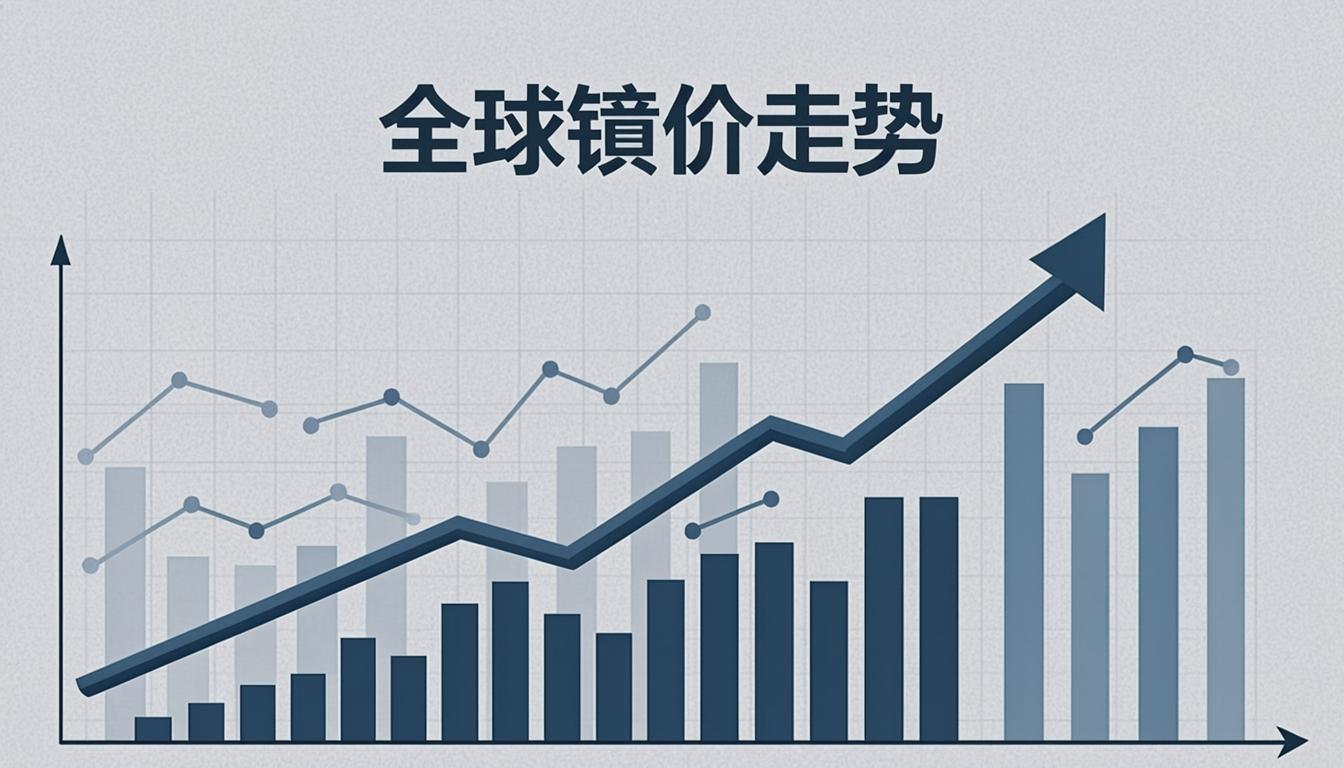 6. Nickel Prices 2024-2025: Surpluses, Slumps, and Recovery OutlookThe nickel market experienced significant price volatility in 2024-2025, with London Metal Exchange (LME) prices hovering around $19,000 per tonne, substantially below the all-time high of $54,050 per tonne recorded in 2007. The current price environment reflects two consecutive years of market surplus, with global nickel production outpacing consumption by approximately 100,000 tonnes in both 2024 and 2025. This oversupply is primarily attributed to the rapid ramp-up of Indonesian nickel pig iron (NPI) production, which has flooded the market with lower-cost nickel units. However, industry analysts project a fundamental supply-demand rebalancing beginning in 2026-2027, driven by accelerating EV battery demand, depleting Indonesian laterite ore reserves, and the EU's increasing recycled content mandates. The global nickel market, valued at $44.5-45.4 billion in 2024-2025, is projected to grow to $56.9-89.3 billion by 2034-2035. For nickel scrap importers like Spain's Cometal S.A., the current lower price environment presents an opportunity to build strategic inventory positions ahead of the anticipated price recovery, while the long-term structural demand growth from the EV battery and clean energy sectors provides fundamental support for continued investment in recycling capacity. |
 7. From Lyrsa to Derichebourg: Transformation of Spain's Scrap Metal LeaderThe acquisition of LAJO Y RODRIGUEZ SA (Lyrsa) by France's Derichebourg Environnement in December 2019 marked a significant milestone in the consolidation of Europe's scrap metal recycling industry. Lyrsa, founded in 1939, had established itself as Spain's leading scrap metal recycling company over eight decades, operating 18 recycling centers across the country with approximately 600 employees. The company processed substantial volumes of both ferrous and non-ferrous metals, including nickel, copper, aluminum, zinc, and lead scrap, importing raw materials from 15 countries and maintaining comprehensive product coverage across multiple HS code chapters. Derichebourg's acquisition integrated Lyrsa into one of Europe's largest recycling conglomerates, providing access to advanced processing technologies, expanded European distribution networks, and significant capital investment capacity. The transformation reflects a broader trend in the European recycling industry, where scale advantages, technological sophistication, and cross-border operational capabilities are becoming increasingly critical for competitive success. For Spain's nickel scrap import market, the Derichebourg-Lyrsa combination represents enhanced processing capacity and improved access to international nickel scrap supply chains, potentially increasing Spain's role as a nickel scrap redistribution hub within Europe. The deal also demonstrates investor confidence in Spain's regulatory environment and its strategic position within the EU circular economy framework. |  8. Why Nickel Recycling Matters: Sustainability and Circular Economy BenefitsNickel recycling delivers transformative environmental and economic benefits that make it indispensable for achieving global sustainability targets. Recycling nickel requires approximately 70% less energy compared to primary nickel extraction from ore, resulting in dramatic reductions in greenhouse gas emissions, water consumption, and mining waste generation. The environmental footprint of primary nickel mining is substantial: laterite nickel mining in Indonesia and the Philippines has been associated with deforestation, soil contamination, and water pollution, while sulfide nickel mining generates significant sulfur dioxide emissions and tailings management challenges. In contrast, nickel scrap recycling produces minimal environmental disturbance while maintaining the metallurgical quality of the recovered metal. The circular economy model for nickel, where end-of-life products are collected, sorted, and processed to recover nickel for new applications, is increasingly recognized as essential for meeting climate commitments. The EU's Circular Economy Action Plan and the Critical Raw Materials Act specifically target increased recycling rates for nickel and other critical materials. With the global nickel recycling rate currently at 68%, there remains significant room for improvement, particularly in developing countries where informal recycling sectors can be formalized and upgraded. Companies involved in nickel scrap import and processing, including Spain's Cometal S.A., play a critical role in advancing the circular economy by connecting scrap generators with recycling facilities and end users. |
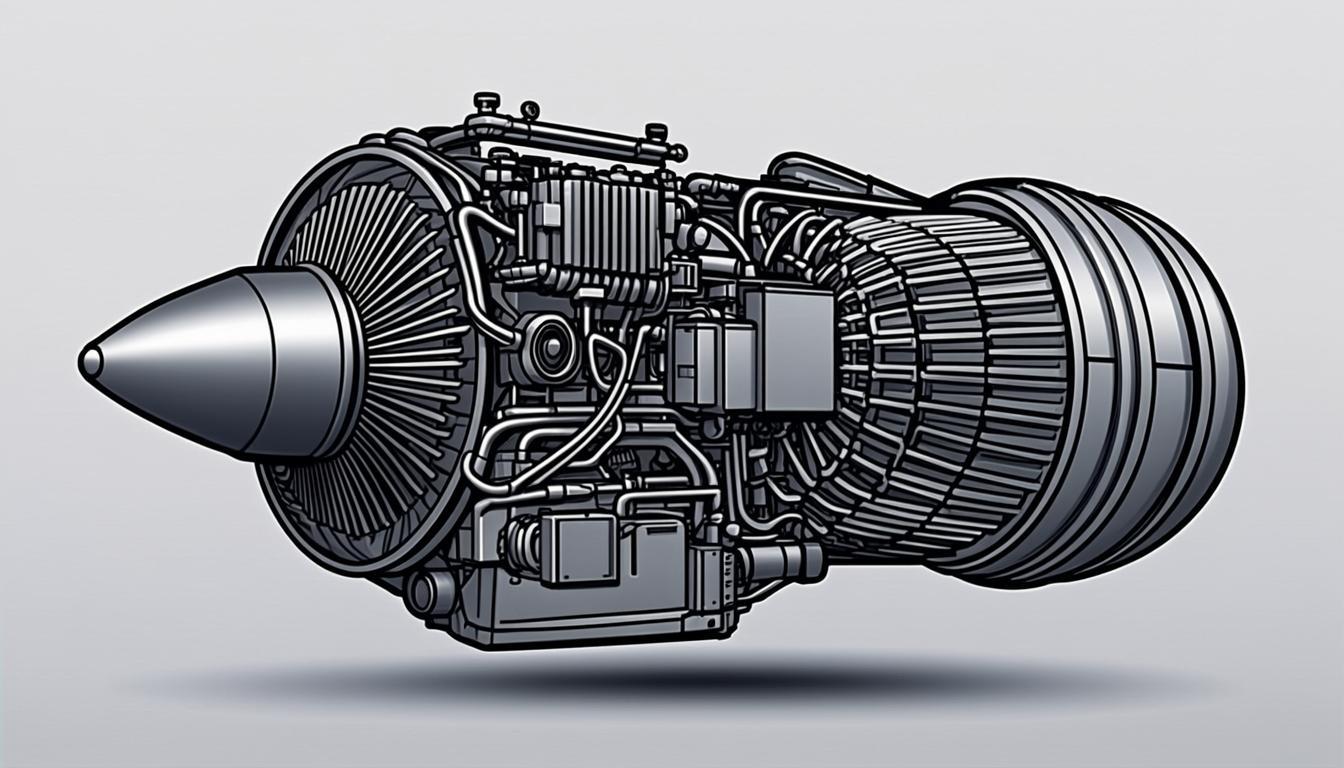 9. Nickel Superalloys in Aerospace: High-Value Applications Driving Scrap DemandNickel-based superalloys represent one of the highest-value applications for nickel, playing a critical role in aerospace and power generation industries where extreme temperature and stress resistance are essential. These specialized alloys, which typically contain 50-70% nickel along with chromium, cobalt, molybdenum, titanium, and aluminum, are used in jet engine turbine blades, combustion chambers, exhaust nozzles, and land-based gas turbine components. The aerospace superalloy market is valued at approximately $7 billion and is growing at 5-6% annually, driven by increasing global air travel, military aircraft modernization programs, and expansion of gas turbine power generation capacity. Nickel scrap recycling plays an important role in the superalloy supply chain, as end-of-life aerospace components and manufacturing offcuts contain high-grade nickel that can be recovered and reprocessed for new superalloy production. The high nickel content and relatively clean alloy composition of aerospace scrap make it particularly valuable to recyclers and traders. Companies like Cometal S.A., with their extensive international sourcing networks, help channel aerospace-grade nickel scrap to specialized recyclers and refiners who produce superalloy-quality recycled nickel. Spain's proximity to major European aerospace manufacturing centers in France, Germany, and the UK positions its nickel scrap trade as strategically important for this high-value supply chain segment. | 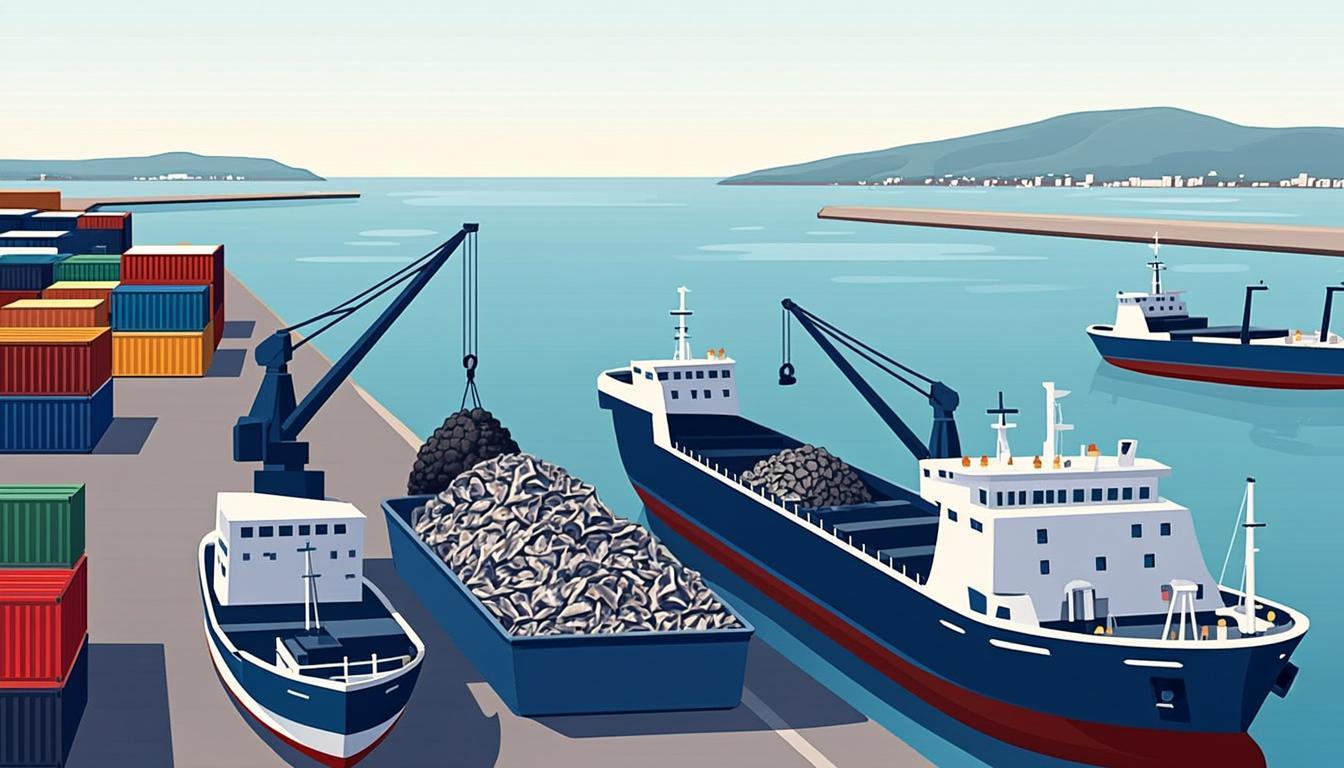 10. Global Nickel Scrap Trade Routes: From Source Countries to Spanish PortsThe global nickel scrap trade network encompasses a complex web of shipping routes connecting source countries to processing and consumption centers worldwide. Spain's strategic position on the Mediterranean Sea, combined with its extensive port infrastructure, makes it a natural hub for nickel scrap trade between Europe, Africa, the Americas, and the Middle East. Major nickel scrap shipping routes to Spain include the intra-European corridors from Germany, France, and Italy via road and short-sea shipping; transatlantic routes from the United States and Canada; and routes from emerging suppliers in Turkey, which exported $11.7 million worth of nickel scrap globally in recent years. The Mediterranean shipping lane also facilitates nickel scrap flows from North African countries and the Middle East, while longer routes from Australia, South Africa, and Asian countries supply specialized high-grade nickel scrap. Cometal S.A.'s import network spans 25 countries across all major continents, demonstrating the global nature of nickel scrap supply chains. Shipping nickel scrap requires specialized handling to prevent contamination and quality degradation during transit, with most shipments transported in sealed containers under controlled conditions. The growing emphasis on supply chain transparency and responsible sourcing, driven by EU regulations and customer requirements, is adding new documentation and traceability requirements to nickel scrap shipping, which favors established traders with proven compliance capabilities. |
Tags: Spain nickel waste scrap importers, HS Code 750300, nickel scrap recycling, Cometal SA Madrid, LAJO Y RODRIGUEZ SA Lyrsa, Spain metal trade, EU nickel recycling regulations, EV battery nickel demand, stainless steel nickel, nickel prices 2024 2025, global nickel scrap market, CRMA critical raw materials, circular economy nickel, Spanish importers directory
Yorumlar - Yorum Yaz