


ADHESIVE | IMPORTERS | INDONESIA
Indonesia Glue and Adhesive Importers
Verified B2B Directory — Contact Details, Product Profiles & Trade Information for Adhesive Exporters
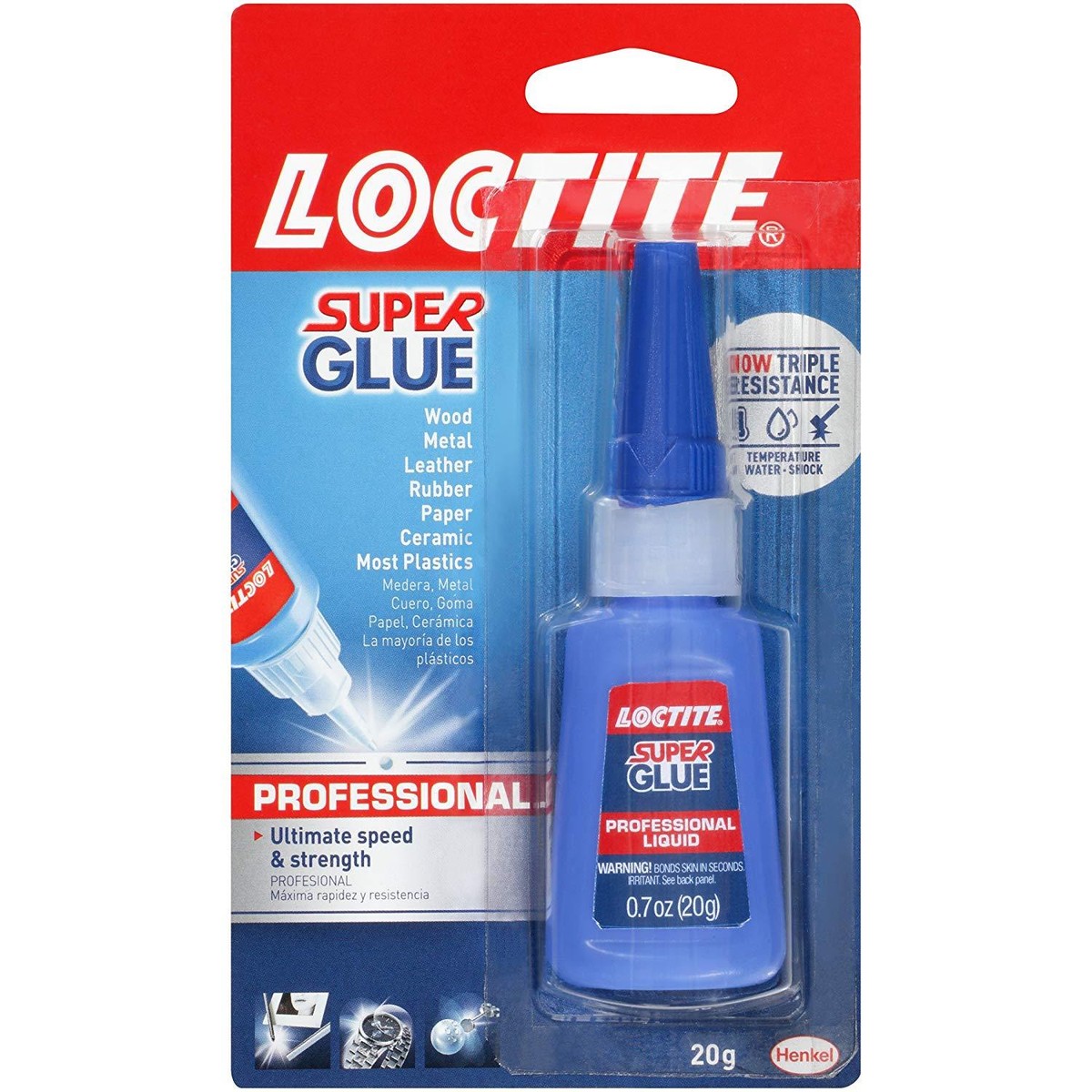
Indonesia's adhesive import market is driven by the country's position as the world's largest furniture and plywood producer, a major footwear manufacturing hub, and a rapidly expanding construction sector. Key importers include PT Casco Persada Indonesia (wood adhesives in Cikarang), PT Dynea Indria (formaldehyde-based adhesives in Pulogadung), PT National Starch and Chemical (food-grade and packaging adhesives), and PT Mulya Adhi Paramita (PVAC, epoxy and specialty resins with logistics infrastructure). The country imports adhesive resins, specialty chemicals, and finished adhesive products from China, Japan, South Korea, Germany, the United States, Taiwan, and Thailand, with total annual adhesive imports valued at several hundred million US dollars.
What Is Glue and Adhesive?
Glue and adhesive are both substances used to join two surfaces together, but they differ in their scope, composition, and typical applications. Glue typically refers to substances made from natural materials such as animal hides, plant extracts, or casein (a protein found in milk). These traditional glues have been used for centuries in woodworking, bookbinding, and general-purpose sticking applications. Glue is typically thicker and stickier than synthetic adhesives, and is often used for crafts, woodworking, and other hands-on applications where a strong but flexible bond is needed for porous materials like wood, paper, and fabric.
Adhesive refers to a broader category of bonding substances that can be made from either natural or synthetic materials and are engineered to stick one surface to another under specific conditions. Unlike traditional glue, adhesives come in a wide variety of forms including liquids, pastes, tapes, films, powders, and solid sticks, and they are designed for an enormous range of industrial and consumer applications. The development of synthetic adhesives in the 20th century, particularly during and after World War II, revolutionized manufacturing and construction by enabling bonds between materials that could not be joined with traditional glues, including metals, plastics, ceramics, and composites.
Some of the most common types of adhesives used in industry and commerce include epoxy resins, which provide extremely strong bonds for construction, automotive, and aerospace applications; cyanoacrylate, commonly known as super glue, which offers near-instant bonding for small repairs and assembly; polyurethane adhesives, which provide flexible, weather-resistant bonds for construction and footwear; silicone adhesives and sealants, which offer excellent temperature resistance and flexibility; PVAC (polyvinyl acetate), the most widely used wood glue; and formaldehyde-based resins including urea-formaldehyde and phenol-formaldehyde, which are the backbone of the plywood, particle board, and MDF industries. The choice of adhesive depends on the materials being joined, the strength of the bond required, the environmental conditions the bond will face, and the manufacturing process requirements.
Overview of Indonesia's Adhesive Import Sector
Indonesia is one of the largest and most dynamic markets for adhesives and glue products in the ASEAN region, driven by its massive furniture and wood products industry, rapidly growing construction sector, expanding automotive manufacturing, and significant footwear production. The country's furniture industry alone, which generates billions of dollars in annual export revenue, consumes enormous quantities of wood adhesives, making Indonesia one of the world's largest consumers of urea-formaldehyde, phenol-formaldehyde, and PVAC adhesives by volume. Beyond furniture, Indonesia's construction boom, fueled by government infrastructure investment and private sector development, drives growing demand for construction adhesives, sealants, and epoxy-based bonding systems.
The adhesive import sector in Indonesia is served by a mix of multinational chemical companies with local subsidiaries, large domestic chemical distributors with manufacturing capabilities, and specialized importers focusing on specific adhesive categories. Companies like PT Dynea Indria, part of the global Dynea network (now INNOSPEC), bring international adhesive technology and manufacturing expertise to the Indonesian market, while companies like PT National Starch and Chemical (now part of Ingredion) serve the specialized food-grade and packaging adhesive segments. PT Casco Persada Indonesia focuses specifically on wood adhesives for the furniture and plywood industries concentrated in the Cikarang and greater Bekasi industrial zones, while PT Mulya Adhi Paramita offers a comprehensive range of specialty chemicals and adhesives along with full logistics infrastructure including jetty terminal, storage tanks, and drumming facilities.
The geographic distribution of adhesive importers across Greater Jakarta reflects the industry's close relationship with manufacturing. Importers are concentrated near industrial estates (Cikarang, Pulogadung), port facilities (Kapuk Kamal near the port area), and commercial districts (Sunter Agung, Gunung Sahari) that provide access to both international shipping and the domestic road transportation network connecting Java's extensive industrial zones. This strategic positioning enables efficient import logistics and rapid distribution to end-user factories across Java, the island that accounts for the vast majority of Indonesia's manufacturing activity.
Market drivers and key statistics: Indonesia is the world's largest exporter of wooden furniture, producing over USD 3 billion in furniture exports annually, which requires massive adhesive consumption. The country's plywood and panel industry, centered in East Java and Kalimantan, is the largest in Southeast Asia. The automotive sector produces over 1.4 million vehicles annually, each requiring structural adhesives, sealants, and interior bonding compounds. Indonesia's footwear industry, one of the top five globally, consumes significant quantities of polyurethane and solvent-based adhesives. The packaging sector, growing with the country's expanding retail and e-commerce industries, drives demand for hot melt adhesives, pressure-sensitive adhesives, and food-grade bonding solutions.
Types of Adhesives Imported into Indonesia
The following table presents the principal adhesive categories imported and distributed in Indonesia, along with their primary applications and the key industrial sectors that consume them.
| Adhesive Type | Characteristics | Primary Applications | Key Indonesian Sectors |
|---|---|---|---|
| Urea-formaldehyde (UF) resin | Low-cost thermosetting resin, interior grade, fast curing | Plywood bonding, particle board, MDF, interior furniture | Wood products, furniture manufacturing, construction panels |
| Phenol-formaldehyde (PF) resin | Weather-resistant thermosetting, exterior grade | Exterior plywood, marine plywood, laminated veneer lumber | Plywood export, marine applications, construction |
| PVAC (polyvinyl acetate) | White glue, water-based, flexible bond, easy to use | Woodworking, paper bonding, packaging, bookbinding, crafts | Furniture, packaging, stationery, education |
| Epoxy resin | Two-part system, extremely strong, chemical resistant | Construction, electronics, automotive, marine, aerospace | Construction, electronics manufacturing, automotive OEM |
| Polyurethane adhesive | Flexible, weather-resistant, bonds diverse materials | Footwear, automotive, construction, panel lamination | Footwear, automotive, building construction |
| Cyanoacrylate (super glue) | Instant bonding, single component, high strength for small areas | Consumer repairs, electronics assembly, medical devices | Consumer market, electronics manufacturing |
| Hot melt adhesive (HMA) | Thermoplastic, fast setting, applied molten | Packaging, bookbinding, product assembly, labeling | Packaging industry, publishing, e-commerce |
| Silicone sealant | Flexible, temperature resistant, waterproof, UV stable | Construction joints, glazing, sanitary, automotive | Construction, automotive, building materials |
HS Code Reference for Adhesive Imports
The following table provides the harmonized system (HS) code classifications relevant to adhesives, glues, and related products imported into Indonesia. Importers should verify exact classifications with Indonesian Customs (DJBC).
| HS Code | Description | Covers |
|---|---|---|
| 3506.10 | Prepared glues and other prepared adhesives, retail packed | Consumer adhesives, super glue tubes, contact cement tins, hobby glues, stationery glue sticks |
| 3506.91 | Adhesives based on polymers, not retail packed | Industrial PVAC adhesive, polyurethane adhesive, epoxy adhesive, hot melt adhesive (bulk) |
| 3506.99 | Other prepared adhesives, not retail packed | Industrial adhesives based on other polymers, specialty adhesive formulations |
| 3905.12 | Polyvinyl acetate, in aqueous dispersion | PVAC emulsion raw material for adhesive manufacturing and direct use as white glue |
| 3909.50 | Urea resins, in primary forms | Urea-formaldehyde resin for plywood, particle board, and MDF manufacturing |
| 3909.41 | Phenol resins, in primary forms | Phenol-formaldehyde resin for exterior plywood, marine plywood, and laminated products |
Glue and Adhesive Importers in Indonesia
The following table presents the verified importing and trading companies handling glue, adhesive, and related chemical products in Indonesia. These companies are the primary entry points for international adhesive manufacturers seeking to access the Indonesian market.
| Company | City | Phone | Fax | Address | Activity / Line of Business |
|---|---|---|---|---|---|
| PT Casco Persada Indonesia | Bekasi | 62-21-8935858, 8935919 | 62-21-8935915 | Cikarang Industrial Estate, Jl. Industri Utara I Blk. SS no. 18-19, Bekasi 17550 | Trader, exporter, importer; Adhesive for wood |
| PT Dynea Indria | Jakarta | 62-21-4602525, 4606213 | 62-21-4605686, 4605688 | Pulogadung Industrial Estate, Jl. Pulogadung no. 22, Jakarta Timur 13011 | Distributor, manufacturer, importer; Adhesive |
| PT Faber-Castell International Indonesia | Jakarta | 62-21-56965311 | 62-21-56965316 | Comp. Sentra Latumeten, Jl. Prof Dr. Latumeten no. 50, Blk. AA no. 10, Jakarta 11460 | Trader, importer, distributor; Glue, stationery and office requisite |
| PT Indrasari | Jakarta | 62-21-6260409 | 62-21-6007058 | Jl. Gunung Sahari no. 40, Jakarta 10720 | Importer, trader, supplier; Chemical for industry, adhesive, glue |
| PT Mulya Adhi Paramita | Jakarta | 62-21-5551314 | 62-21-5551632 | Jl. Kapuk Kamal no. 19, Jakarta 14470 | Trader, exporter, importer, manufacturer; Solvent, PVAC adhesive, epoxy resin, formaldehyde resin |
| PT National Starch and Chemical | Jakarta | 62-21-6511306 | 62-21-6511395 | Jl. Agung Perkasa 8 Blk. K-1 no. 42-43, Sunter Agung Podomoro, Jakarta 14350 | Distributor, manufacturer, importer; Adhesive for cardboard and food industry |
| PT Putera Prima Mandiripratama | Jakarta | 62-21-54350177/277/211 | 62-21-54350281 | Comp. Mutiara Taman Palem Blk. A-18 no. 21, Jakarta | Adhesive trading and distribution |
| PT Somagede Perkasa | Jakarta | 62-21-6410730 | 62-21-6401572 | Griya Inti Sentosa Comp., Jl. Griya Agung no. 3, Sunter Agung, Jakarta 14350 | Importer, distributor, trader; Adhesive and sealant, cutting tools |
Company highlights: PT Dynea Indria (Pulogadung) and PT National Starch and Chemical (Sunter) both combine manufacturing with import activities, indicating domestic production of some adhesive lines alongside import of specialty grades. PT Mulya Adhi Paramita stands out with its comprehensive logistics infrastructure including jetty terminal, storage tanks, and drumming facilities at Kapuk Kamal, making it a full-service chemical and adhesive supply chain partner. PT Casco Persada Indonesia's location in Cikarang Industrial Estate places it at the heart of Indonesia's furniture manufacturing belt, while PT Faber-Castell's presence reflects the consumer adhesive market for stationery and school glue products.
Key Company Profiles
PT. Dynea Indria
PT. Dynea Indria operates from the Pulogadung Industrial Estate in East Jakarta, one of Indonesia's oldest and most established industrial zones, serving as a major distributor, manufacturer, and importer of adhesive products. The Dynea name is globally recognized in the adhesive and resin industry, historically associated with the Finnish Dynea Group (now part of INNOSPEC), which is one of the world's leading suppliers of adhesives, resins, and performance chemicals for the wood processing industry. PT Dynea Indria's positioning as both a manufacturer and importer allows the company to offer a complete product range to Indonesia's enormous wood products industry, supplementing its domestic production with imported specialty adhesive grades when required.
The company's location in Pulogadung provides strategic advantages for serving the Indonesian market, as this industrial estate is well-connected to Jakarta's port infrastructure and road network, enabling efficient import of raw materials and distribution of finished adhesive products to wood processing factories across Java. PT Dynea Indria's product portfolio typically encompasses urea-formaldehyde resins for interior-grade plywood and particle board, melamine-urea-formaldehyde resins for improved moisture resistance, and phenol-formaldehyde resins for exterior-grade and marine plywood applications. These products serve as essential inputs for Indonesia's plywood and panel industry, which is the largest in Southeast Asia and a major export earner for the country.
Contact: Pulogadung Industrial Estate, Jl. Pulogadung no. 22, Jakarta Timur 13011 | Tel: 62-21-4602525, 4606213 | Fax: 62-21-4605686, 4605688 | Web: www.dynea.com
PT. National Starch and Chemical
PT. National Starch and Chemical, operating from the Sunter Agung Podomoro area in North Jakarta, is a significant player in Indonesia's adhesive market with a specialized focus on adhesives for the cardboard and food industry applications. The company's name reflects its heritage as part of the global National Starch and Chemical Company, which was historically a major specialty chemical and adhesive manufacturer (now part of Ingredion, a leading global ingredient solutions company). This international heritage provides PT National Starch and Chemical with access to advanced adhesive technologies, formulation expertise, and quality standards that are essential for food-grade and packaging adhesive applications.
The company's dual role as distributor, manufacturer, and importer allows it to serve the Indonesian market through a combination of locally produced and imported adhesive products. Food-grade adhesives represent a particularly demanding and specialized segment, requiring compliance with strict food safety regulations, non-toxic formulations, and reliable performance in packaging applications where the adhesive may come into indirect contact with food products. PT National Starch and Chemical's focus on cardboard and food industry adhesives positions it as a critical supplier to Indonesia's rapidly growing food processing, beverage, and consumer goods packaging industries, all of which are expanding to serve the country's large and increasingly urbanized population.
Contact: Jl. Agung Perkasa 8 Blk. K-1 no. 42-43, Sunter Agung Podomoro, Jakarta 14350 | Tel: 62-21-6511306 | Fax: 62-21-6511395, 6509730 | Web: www.nationaladh.com
PT. Mulya Adhi Paramita
PT. Mulya Adhi Paramita, affiliated with the Dovechem Group (as indicated by its email domain), operates from Jl. Kapuk Kamal in West Jakarta and stands out as one of the most comprehensively equipped adhesive and chemical importers in Indonesia. Unlike many importers who focus solely on trading, PT Mulya Adhi Paramita combines trading, exporting, importing, and manufacturing with a full logistics infrastructure that includes a jetty terminal, storage tank facilities, drumming operations, and logistics services. This end-to-end supply chain capability makes the company an exceptionally valuable partner for international chemical and adhesive manufacturers who need a single point of contact for import, storage, repackaging, and distribution of their products in Indonesia.
The company's product portfolio spans a wide range of industrial and specialty chemicals beyond adhesives, including solvents, biocides, fungicides, PVAC adhesives, epoxy resins, and formaldehyde resins. This diversified product range allows PT Mulya Adhi Paramita to serve as a comprehensive chemical supply partner for multiple industrial sectors, from wood products manufacturers who need formaldehyde and PVAC resins, to construction companies requiring epoxy adhesives and sealants, to industrial operations needing biocides and fungicides for material preservation. The company's jetty terminal at Kapuk Kamal provides direct access for chemical tankers and cargo vessels, enabling efficient bulk import of liquid chemicals and resins that are essential raw materials for Indonesia's adhesive manufacturing and industrial sectors.
Contact: Jl. Kapuk Kamal no. 19, Jakarta 14470 | Tel: 62-21-5551314 | Fax: 62-21-5551632 | Email: map-kpk@dovechem.com | Web: www.dovechem.com
PT. Casco Persada Indonesia
PT. Casco Persada Indonesia is a specialized importer, exporter, and trader of wood adhesives, strategically located within the Cikarang Industrial Estate in Bekasi, West Java. The Cikarang Industrial Estate is one of the largest and most important manufacturing zones in Indonesia, hosting thousands of factories across multiple industrial parks that produce furniture, electronics, automotive components, and consumer goods. This location places PT Casco Persada Indonesia at the epicenter of Indonesia's furniture manufacturing belt, providing direct access to the largest concentration of wood adhesive consumers in the country.
The company's exclusive focus on adhesives for wood applications demonstrates deep specialization in a market segment that is critically important to Indonesia's economy. As the world's largest exporter of wooden furniture, Indonesia consumes enormous quantities of wood adhesives including PVAC for furniture assembly, urea-formaldehyde for plywood and particle board, and specialty contact adhesives for laminate bonding. PT Casco Persada Indonesia's combined role as trader, exporter, and importer indicates that the company not only serves the domestic market but may also facilitate the export of adhesive products or raw materials, providing international adhesive manufacturers with a potential partner for both import distribution and regional export activities from Indonesia.
Contact: Cikarang Industrial Estate, Jl. Industri Utara I Blk. SS no. 18-19, Bekasi 17550 | Tel: 62-21-8935858, 8935919 | Fax: 62-21-8935915
Trade Opportunities for Adhesive Exporters
Indonesia's adhesive import market offers substantial and growing opportunities for international adhesive manufacturers and chemical companies. The country's position as the world's largest furniture exporter, a major footwear manufacturing hub, and a rapidly expanding construction market creates consistent and growing demand for adhesive products across virtually every category. International exporters can target specific high-demand segments including formaldehyde-based resins for the wood products industry, PVAC emulsions for woodworking and packaging, epoxy systems for construction and electronics, polyurethane adhesives for automotive and footwear, and specialty adhesives for emerging applications in renewable energy, electric vehicles, and advanced electronics manufacturing.
The key to success in the Indonesian adhesive market lies in building direct relationships with the importers and distributors listed in this directory, while also understanding the specific requirements of Indonesia's major consuming industries. For adhesive resin exporters, companies like PT Dynea Indria and PT Casco Persada Indonesia represent the primary distribution channels to the wood products industry, while PT National Starch and Chemical serves the food packaging segment. PT Mulya Adhi Paramita, with its comprehensive logistics infrastructure, is particularly well-suited as a partner for bulk chemical and resin imports. International suppliers should be prepared to offer competitive pricing, reliable supply continuity, comprehensive technical data and safety documentation, and after-sales technical support to succeed in this competitive but rewarding market.
Emerging opportunities in the Indonesian adhesive market include the growing demand for environmentally friendly and low-emission adhesive formulations, driven by increasing environmental regulations and international export requirements for formaldehyde emission limits on Indonesian furniture and wood products. Water-based adhesives, bio-based adhesives, and low-VOC formulations are gaining market share, creating opportunities for international manufacturers who can supply these advanced products. Additionally, Indonesia's push toward electric vehicle manufacturing and renewable energy development is creating new demand for specialty adhesives used in battery assembly, solar panel manufacturing, and electronic components that represent growing niche opportunities for specialized adhesive exporters.
Yorumlar - Yorum Yaz