


Barley Importers | Turkey
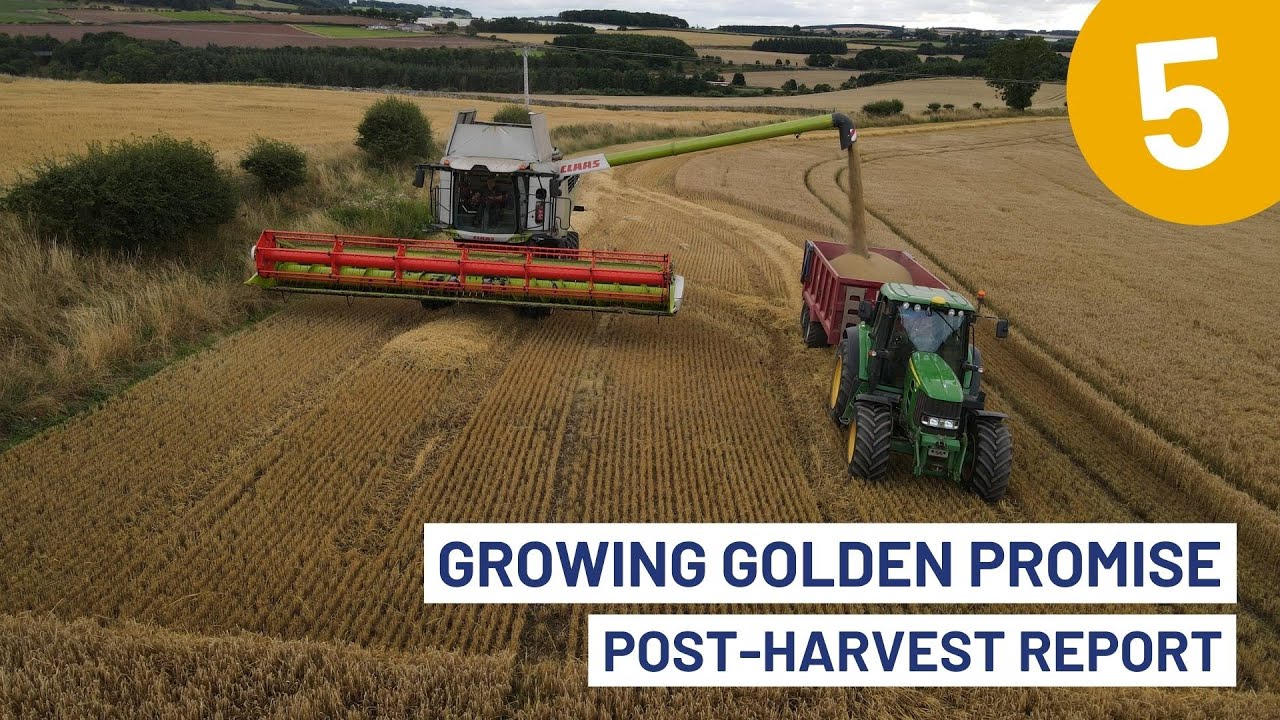
Turkey Barley Import Market Overview
Turkey occupies a strategically important position in the global barley trade, functioning simultaneously as a significant producer and a consistent importer. In 2024, Turkey imported approximately US$31 million worth of barley, ranking as the 35th largest barley importer worldwide according to the Observatory of Economic Complexity. The country's domestic production typically ranges between 5 and 7 million tons annually, yet structural demand from the livestock feed industry, brewing sector, and food processing manufacturers necessitates supplementary imports that can exceed 1.3 million tons in years with reduced local harvests.
The Turkish barley import market is shaped by several defining factors. First, the country's rapidly growing poultry and livestock sector has driven feed grain demand to record levels, with barley serving as a critical energy and protein source in animal feed formulations. Second, Turkey's geographic proximity to major Black Sea barley exporters — particularly Russia and Ukraine — creates a natural and cost-effective supply corridor. Third, fluctuating domestic harvests due to drought conditions in central Anatolia have made import dependence a structural feature rather than a temporary measure. The result is a dynamic import market where supplier relationships, pricing, and logistics routes shift in response to both regional geopolitics and agricultural cycles.
Key Supplier Countries
Russia firmly dominates Turkey's barley import supply, consistently accounting for more than 50% of total import volumes. Russian barley offers competitive pricing due to large-scale production in the country's southern agricultural regions, particularly Krasnodar Krai and the surrounding Black Earth zone. The port of Novorossiysk provides direct maritime access to Turkish ports including Mersin, Tekirdag, and Bandirma, enabling efficient shipment of bulk barley cargoes. Russian agricultural trading companies such as LLC Petrokhleb Kuban — the exporter documented in the bill of lading record below — specialize in consolidating grain from multiple farming regions for export to Black Sea markets.
Ukraine historically served as Turkey's second-largest barley supplier before the onset of the Russia-Ukraine conflict in 2022, which disrupted Black Sea shipping routes and reduced Ukrainian grain export capacity. Prior to the conflict, Ukraine exported over 4.5 million tons of barley annually, with Turkey being a primary destination. Romania and Germany round out the top supplier list, with Romania offering competitive pricing through its Danube port infrastructure and Germany providing high-quality malting barley for Turkey's brewing industry. The diversification of supply sources is a priority for Turkish importers seeking to mitigate geopolitical and climate-related risks.
Verified Bill of Lading Record
The following table presents a verified bill of lading entry documenting a barley import transaction into Turkey. This record captures the complete customs declaration data filed by the importer, providing a factual basis for trade analysis and supplier evaluation.
| Field | Details |
|---|---|
| Importer | BEK Tarim Limited Sirketi |
| Exporter | LLC Petrokhleb Kuban (Russia) |
| Product | Bulk Barley |
| HS Code | 100390000019 |
| Shipment Date | December 30, 2022 |
| Weight | 368.5 kg |
| Declared Value | US$113.18 |
| Supplier Country | Russian Federation |
HS Code Classification: 1003
Barley is classified under Chapter 10 of the Harmonized System, which covers cereals. The specific heading HS 1003 encompasses all forms of barley regardless of processing state. Understanding the sub-classifications within this heading is essential for accurate customs declarations and trade data analysis, as different forms of barley may be subject to varying tariff rates and import regulations depending on their intended end use — whether for animal feed, malting, or direct human consumption.
| HS Code | Description |
|---|---|
| 1003 | Barley (all forms) |
| 1003.90 | Barley, other than hulled or pearled |
| 1003.90.00 | Bulk barley for feed and general use (full tariff line) |
Demand Drivers and Market Dynamics
Turkey's barley import demand is primarily driven by three sectors. The livestock feed industry represents the largest consumption channel, utilizing barley as a high-energy ingredient in compound feed formulations for poultry, cattle, and sheep. Turkey's poultry sector has experienced rapid expansion over the past decade, making the country one of the world's top poultry producers and consequently one of the largest feed grain importers. The brewing industry constitutes the second major demand segment, with malting barley being a critical raw material for Turkey's substantial beer production sector. Domestic malting barley production frequently falls short of brewer quality specifications, necessitating imports from specialized European suppliers. The food processing sector represents a smaller but stable demand channel, using pearl barley in traditional Turkish culinary applications.
Frequently Asked Questions
Access the Complete Turkey Barley Importer Database
Get verified bill of lading records, buyer contacts, and trade statistics for all Turkish barley importers. Join TURKEXIM today.
Contact Us for Data AccessYorumlar - Yorum Yaz