

BEEF| IMPORTERS | INDONESIA
Indonesia Beef Importers
Indonesia is one of the largest beef importing countries in Southeast Asia, with a growing demand for beef meat driven by its population of over 270 million people and increasing per capita income. The Indonesian beef market relies significantly on imports to supplement domestic production, which is insufficient to meet the country's growing consumption needs. Key beef importing companies in Indonesia include both state-owned enterprises and private corporations that manage the import, distribution, and cold chain logistics of beef products from Australia, the United States, India, and other supplying countries.
PT Berdikari Indonesia
PT Berdikari Indonesia is a state-owned agricultural company that plays an important role in Indonesia's livestock and meat industry. The company is involved in cattle breeding, fattening, and meat processing operations. PT Berdikari operates cattle farms and abattoirs, contributing to both domestic beef production and the import of live cattle and beef products. As a government-linked enterprise, the company is aligned with Indonesia's national food security policies aimed at reducing dependence on imported beef while maintaining stable meat supply and affordable prices for consumers.
PD Dharma Jaya
PD Dharma Jaya is a regional government-owned enterprise based in Jakarta that specializes in the procurement and distribution of beef and poultry products. The company manages slaughterhouses and meat distribution networks serving the Jakarta metropolitan area, one of the largest beef consumption markets in Indonesia. PD Dharma Jaya works with both domestic cattle suppliers and international beef importers to ensure a consistent supply of fresh beef to Jakarta's markets, restaurants, and food processing industries. The company is recognized for its role in stabilizing beef prices in the capital region.
State-owned Logistics Agency (Bulog)
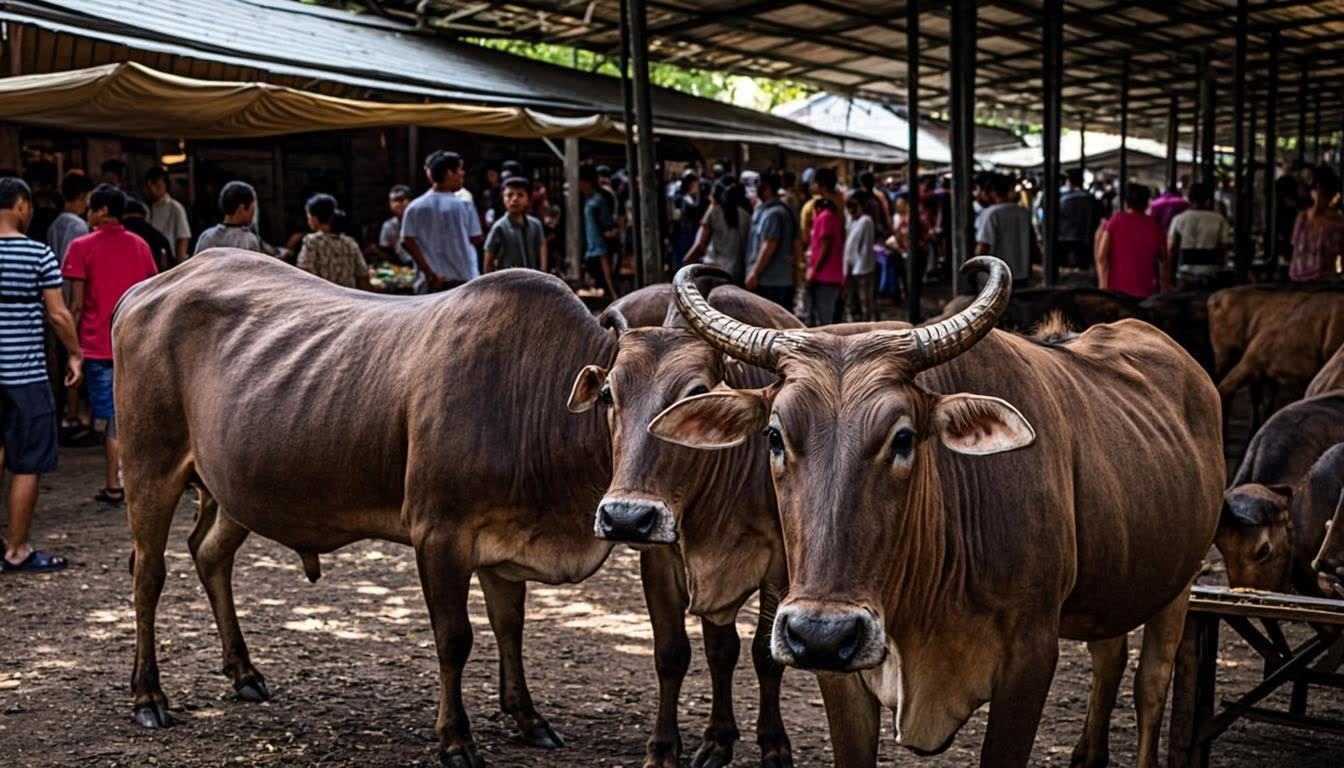
Bulog (Badan Urusan Logistik) is Indonesia's state-owned logistics agency responsible for managing the procurement, storage, and distribution of essential food commodities, including beef. While Bulog is primarily known for rice procurement, the agency also plays a role in stabilizing the beef market through strategic imports during supply shortages and price fluctuations. Bulog's involvement in beef imports is part of the Indonesian government's broader food security strategy. The agency coordinates with the Ministry of Agriculture and Trade to determine import quotas and manage buffer stocks of frozen beef to maintain market stability.
PT Perusahaan Perdagangan Indonesia (PPI)
PT Perusahaan Perdagangan Indonesia (PPI), also known as Indonesia Trading Company, is a state-owned trading company that facilitates international trade in various commodities, including beef and livestock products. PPI acts as an intermediary between Indonesian buyers and international beef suppliers, handling the logistics, documentation, and regulatory compliance required for beef imports. The company's trading activities cover both frozen beef and live cattle imports, supporting Indonesia's food security objectives while providing market access for global beef exporters. PPI works with major beef supplying countries to negotiate competitive prices and ensure consistent supply.

Indonesia Beef Import Market Overview
Indonesia's beef import market is regulated by the government through import quotas and licensing requirements. Australia is traditionally the largest supplier of live cattle and beef to Indonesia, accounting for the majority of imported beef volume. The United States, New Zealand, and India also supply beef and buffalo meat to the Indonesian market. Indonesia's beef imports are primarily frozen beef, with live cattle imports being used for domestic fattening before slaughter. The halal certification requirement is a critical factor for all beef imports, as Indonesia has the world's largest Muslim population.
The demand for beef in Indonesia continues to grow at approximately 4-5% annually, driven by population growth, urbanization, and changing dietary preferences. However, domestic beef production faces challenges including limited grazing land, high production costs, and fragmented supply chains. The Indonesian government has implemented various programs to boost domestic beef production, including artificial insemination, feed improvement initiatives, and cattle import quotas designed to protect local farmers while ensuring adequate consumer supply. For trade data and verified importer contacts, visit the TurkExim importers and exporters database.

Related Companies and Resources
- Turkey Masterbatch Manufacturers
- Denmark Fish Meal Manufacturers
- Turkey Charcoal Importers
- Spain Fish Meal Importers
- TurkExim Importer and Exporter Database
- Importers by Country
- Turkey Company Directory
- Canakkale Exporters List 2023
Frequently Asked Questions
Which countries export beef to Indonesia?
Australia is the largest exporter of beef and live cattle to Indonesia, followed by the United States, New Zealand, and India. Buffalo meat from India is also a significant import category due to its competitive pricing and halal certification.
What are the import requirements for beef in Indonesia?
Beef imports to Indonesia require halal certification from recognized Islamic authorities, health certificates from the country of origin, and compliance with Indonesian Food and Drug Authority (BPOM) regulations. Importers must also obtain licenses from the Ministry of Trade and adhere to annual import quota allocations.
How can I find Indonesian beef importers?
The key Indonesian beef importers include PT Berdikari Indonesia, PD Dharma Jaya, Bulog, and PT PPI. For a comprehensive directory of verified importers, search the TurkExim database which provides detailed contact information and trade data for Indonesian meat importers.
Yorumlar - Yorum Yaz