


yeşil çay ithalatçıları - CEZAYİR
Algeria Green Tea Importers - Complete Company Directory
Algeria represents one of the most significant tea import markets in North Africa and the wider Mediterranean region. With a population of over 45 million people and a deeply ingrained tea-drinking culture that blends both traditional Maghrebi and modern Turkish influences, the Algerian tea market offers substantial opportunities for international tea exporters, particularly those from Turkey, Sri Lanka, China, and India. Green tea, in particular, has been gaining momentum in Algeria due to growing health consciousness among consumers, shifting preferences toward lighter and more aromatic beverages, and the increasing availability of premium imported tea varieties in urban supermarkets and specialty stores across the country. This comprehensive directory presents the key Algerian companies actively involved in the importation, distribution, and wholesale of green tea products, providing valuable trade intelligence for global tea suppliers seeking to establish or expand their business relationships in this dynamic market.
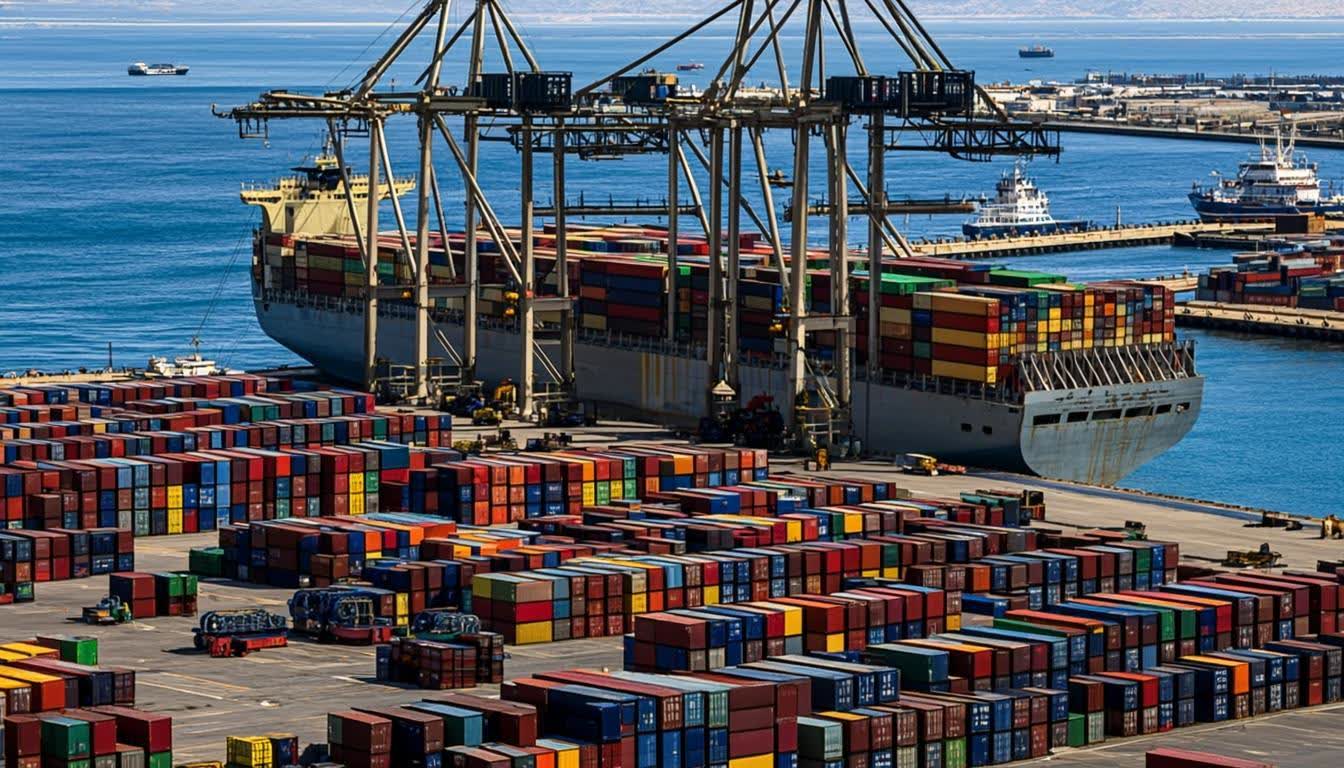
Table of Contents
- 1. UNO - The Timimoune
- 2. Le Jasmin Salon de The
- 3. Mohamed Hama
- 4. FACCOAGRO
- 5. Algeria Plateforme
- 6. The Average Line
- 7. ITEPAL
- 8. CHAY Siege Social
- 9. TGN Importation
- 10. Algerie Coft
- 11. INMAT
- Algeria Tea Import Market Analysis
- Black Sea Tea Gardens: Turkey's Tea Heritage
- Frequently Asked Questions
1. UNO - The Timimoune
Location: Algiers, Ben Aknoun, Algeria
Director: Mr. Farouk Boukchira
UNO - The Timimoune is a well-established tea import and trading company based in the Ben Aknoun district of Algiers. The company derives its name from the legendary Saharan city of Timimoun, famous across Algeria for its traditional tea ceremony rituals that symbolize warmth, hospitality, and community bonding in the desert. UNO specializes in importing and wholesaling premium tea varieties, with a particular focus on green tea and specialty blends catering to both the traditional Algerian market and the growing urban consumer segment. Their strategic location in the capital city provides direct access to the largest consumer base in the country, making them a valuable partner for international tea exporters looking to penetrate the Algerian market.
2. Le Jasmin Salon de The
Location: Oran, Ain Turk, Algeria
Director: Mr. Ramzeddine Zitouni
Le Jasmin Salon de The operates in the vibrant coastal district of Ain Turk in Oran, Algeria's second-largest city and a major commercial hub in the western part of the country. Unlike conventional bulk tea importers, Le Jasmin combines tea retail with a sophisticated salon experience, offering specialty teas and beverages in an elegant setting that reflects the refined tastes of Oran's cosmopolitan population. This dual approach of retail service and direct import activity makes them an interesting partner for premium tea brands seeking to establish a presence in western Algeria, particularly for high-quality green tea products aimed at the growing cafe culture and specialty beverage market in the Oran region.
3. Mohamed Hama
Location: Algiers, Rais Hamidou, Algeria
Director: Mr. Abdelrahim Ananou
Mohamed Hama is a specialist tea importer operating from the prestigious Rais Hamidou neighborhood of Algiers, located near the scenic coastal area of Pointe 5 Juillet. Listed in multiple trade directories as a specialist in tea for festivities and special occasions, this company focuses on premium and decorative tea products that are central to Algerian social celebrations, religious holidays, and family gatherings. Their expertise in sourcing festive tea products makes them particularly relevant for exporters of premium green tea gift sets, decorative tea packaging, and specialty blends that appeal to Algeria's strong gift-giving culture during Ramadan, Eid celebrations, and wedding ceremonies.
4. FACCOAGRO
Location: Adrar, Algeria
Director: Mr. Mohamed Hammoui
FACCOAGRO, formally registered as a SARL with a capital of 20 million DZD, is a food manufacturing and agri-food company based in Adrar, a major city in southern Algeria's Sahara region. The company operates in the broader food production and distribution sector, with tea importation forming an important part of its diverse product portfolio. FACCOAGRO's presence in the Saharan region is particularly noteworthy, as it provides tea distribution access to a vast geographic area where tea consumption is deeply embedded in daily life and traditional hospitality customs of the Tuareg and other desert communities. Their established cold chain and distribution infrastructure makes them a practical logistics partner for reaching Algeria's southern markets.
5. Algeria Plateforme
Location: Hussein Dey, Algiers, Algeria
Director: Mr. Abderraouf Kemari
Algeria Plateforme is a significant import-export SARL company headquartered in the Hussein Dey district of Algiers, one of the city's key commercial and industrial zones. Registered as dealing in coffee, cocoa, and tea commodities, the company has established a strong reputation for its deep knowledge of geographic sourcing and international supply chain management. With an active social media presence and over 2,500 followers, Algeria Plateforme demonstrates modern business practices combined with established trade relationships spanning multiple continents. Their comprehensive approach to commodity trading, encompassing tea alongside coffee and cocoa, positions them as a well-connected partner for tea exporters seeking multi-product trade opportunities in the Algerian market.

6. The Average Line
Location: Ouled Heddjadj, Boumerdes, Algeria
Director: Mr. Mohamed Amine Djerroudi
The Average Line is a tea importing entity operating from Ouled Heddjadj, a town in the Boumerdes Province located east of Algiers along the Mediterranean coast. While this company maintains a lower public profile compared to larger importers, its location in the greater Algiers metropolitan area provides strategic access to the capital region's extensive retail and wholesale distribution networks. The company name suggests it may operate as an intermediary or distribution line connecting international tea suppliers with local retailers and smaller wholesalers, making it a potentially useful link in the Algerian tea supply chain for exporters willing to develop relationships with emerging distribution partners.
7. ITEPAL
Location: Oran, Algeria
ITEPAL is an import and distribution SARL company based in the Cite Oussama district of Oran, Algeria's second-largest city and a historic Mediterranean port. The company specializes in importing and distributing a range of agri-food commodities, with tea being a primary product alongside sugar, coffee, cocoa, and spices. ITEPAL's multi-commodity approach and strategic location in Oran provide significant advantages for international tea exporters, as the company can consolidate tea shipments with other food commodity imports, optimizing logistics costs and creating efficient distribution channels across western Algeria. Their established presence in the Oran market makes them an ideal entry point for tea exporters targeting the western Algerian consumer market.
8. CHAY Siege Social
Location: Kouba, Algiers, Algeria
Director: Mr. Ismail Boucheloui
CHAY, operating as an EURL from its headquarters in Kouba, a major suburb of Algiers, takes its name directly from the word for tea in Turkish and Algerian vernacular, immediately signaling its core business focus. The company imports and exports a diverse range of agri-food products including tea, fruits, vegetables, and spices, with tea representing a cornerstone of its commercial operations. Listed in multiple international trade directories, including the Vietnamese Ministry of Industry trade database, CHAY has demonstrated established cross-border trade relationships that extend beyond the Mediterranean region to Asian tea-producing countries. Their Kouba location provides excellent access to Algiers' extensive suburban consumer market and distribution networks.
9. TGN Importation
Location: Kheraicia, Algiers, Algeria
Director: Mr. Baghdadi Taibi
TGN Importation is a commodity trading company based in Kheraicia, a commune near Algiers that benefits from proximity to the capital's major commercial and logistics infrastructure. The company specializes in the importation of sugar, tea, coffee, cocoa, and spices, along with packaging materials, operating under multiple NAF codes that reflect its broad commodity trading scope. TGN Importation's diversified import portfolio and its inclusion of packaging materials alongside food commodities suggest a vertically integrated approach that could be advantageous for tea exporters seeking partners capable of handling not just bulk tea importation but also local repackaging and branding for the Algerian consumer market.
10. Algerie Coft
Location: El Mouradia, Algiers, Algeria
Director: Mr. Mourad Seddiki
Algerie Coft is a SARL operating in the premium El Mouradia district of Algiers, an area known for its upscale commercial establishments and proximity to government institutions. The company is engaged in the importation, sale, and distribution of both coffee and tea products, along with specialized food items and broader agri-food import-export activities. Listed in multiple Vietnamese and international trade directories, Algerie Coft has demonstrated established international sourcing relationships, particularly with Asian tea-producing countries. Their prestigious address and comprehensive product range position them as a premium distribution partner suitable for high-quality green tea brands targeting Algeria's growing premium beverage market segment.
11. INMAT
Location: Rouiba, Algiers, Algeria
Director: Mr. Said Bairi
INMAT, also known as INMAT Commodites, is a substantial EURL operating from Rouiba, an important industrial suburb east of Algiers with significant manufacturing and logistics infrastructure. With a registered capital of 500 million DZD and a dedicated workforce, INMAT is one of the larger companies in this directory, specifically engaged in importing green coffee and green tea, alongside wholesale operations in dairy and poultry products. The company's significant capital base and industrial-scale operations, combined with its specialization in green tea importation, make it a particularly attractive partner for large-volume tea exporters capable of supplying container-scale shipments of green tea to the Algerian market. Director Mr. Said Bairi's professional presence on LinkedIn and Kompass underscores the company's commitment to international trade standards.
Algeria Tea Import Market Analysis
Algeria's tea import market has been experiencing steady growth driven by several key factors. The country's tea consumption is among the highest in the Maghreb region, with both traditional green tea and black tea varieties enjoying strong demand across all demographic segments. The Algerian government's continued investment in port infrastructure, including the expansion of the Port of Algiers and the development of new commercial ports along the Mediterranean coast, has progressively improved the efficiency of tea import logistics and reduced transit times for bulk tea shipments arriving from Asia, East Africa, and Turkey.
The market structure for tea imports in Algeria is characterized by a combination of large-scale commodity trading companies and smaller specialized importers who focus on specific tea varieties or premium market segments. Turkish tea exporters, benefiting from geographic proximity and established cultural connections, have been increasingly active in the Algerian market, leveraging Turkey's position as a major tea-producing nation with the Black Sea region's distinctive tea varieties. The growing health and wellness trend among Algerian consumers has particularly benefited green tea imports, as younger urban consumers increasingly associate green tea with health benefits, weight management, and antioxidant properties.
For international tea exporters considering the Algerian market, it is important to note that the country operates a regulated import system requiring proper documentation, quality certifications, and compliance with Algerian food safety standards. Building relationships with established local importers such as those listed in this directory is the most effective strategy for market entry, as these companies provide essential knowledge of local distribution channels, regulatory requirements, and consumer preferences that can significantly accelerate market penetration efforts.
Black Sea Tea Gardens: Turkey's Tea Heritage and Export Potential
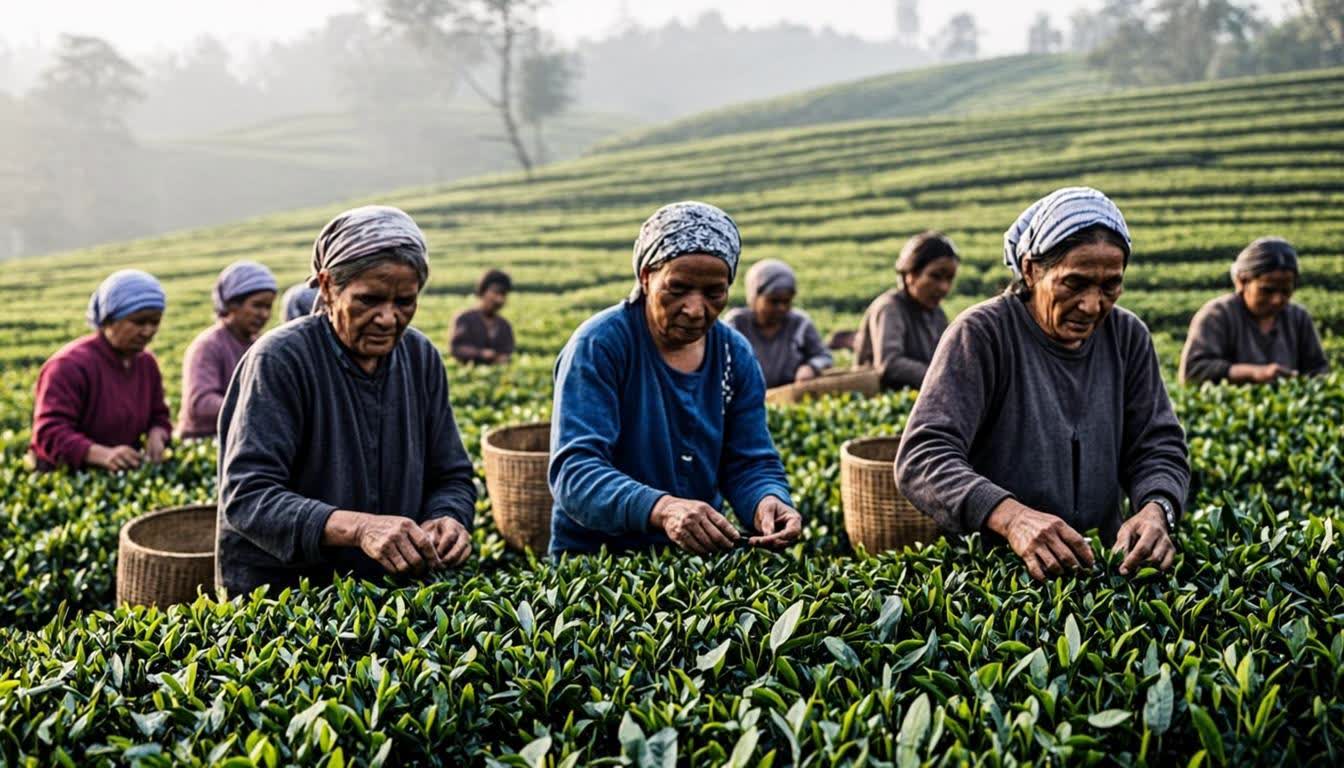
Turkey's Black Sea region, centered around the province of Rize, represents one of the world's most distinctive tea-producing landscapes and a vital source of tea exports to markets including Algeria. The lush, misty mountains of the eastern Black Sea coast create a unique microclimate that produces tea leaves with a characteristically smooth, slightly earthy flavor profile that has become increasingly popular in international markets. Turkish tea production, which began in the early 20th century as an initiative to reduce the country's dependence on imported tea, has grown into a significant agricultural industry that supports thousands of farming families across Rize, Trabzon, Artvin, and Giresun provinces.

The traditional Turkish tea garden, or cay bahcesi, is an integral part of the Black Sea region's cultural landscape. These terraced plantations, carved into steep mountainsides overlooking the sea, create a stunning visual tapestry of emerald green that stretches across the coastal hills. The tea harvesting season typically runs from May to October, with skilled workers carefully hand-picking the tender young leaves that produce the highest quality brews. This artisanal approach to tea cultivation, combined with modern processing facilities, allows Turkish tea producers to offer a product that balances traditional craftsmanship with consistent quality standards required by international buyers.
For Algerian tea importers, Turkish Black Sea tea offers several compelling advantages. The geographic proximity between Turkey and Algeria enables relatively short shipping times across the Mediterranean, reducing transportation costs compared to tea sourced from East Asia or East Africa. Additionally, the cultural affinity between Turkish and Algerian tea traditions creates a natural market connection, as Algerian consumers are already familiar with and appreciative of Turkish tea culture, including the iconic tulip-shaped tea glass that has become a symbol of Turkish hospitality worldwide. This cultural bridge, combined with Turkey's competitive pricing and reliable supply chain, positions Black Sea tea as an increasingly important source for Algerian green tea importers seeking to diversify their product offerings.
See also: Tea Importers Turkey | Tea Importers Global Directory | Russia Tea Importers | Pakistan Tea Importers | Germany Tea Importers | United Kingdom Tea Importers | Tea Importers Iran | Tea Importers Germany | Tea Importers Taiwan | Tea Importers India | Tea Importers Libya | Black Tea Importers Kazakhstan | Black Tea Importers Saudi Arabia | Tea Importers Pakistan | Packaged Tea Importers Russia | Tea Importers Chile | Tea Buyers Kenya | Tea Importers UK | Black Tea Importers Ukraine | Global Tea Import Markets | Russia Tea Import Market | Germany Tea Import Market | Algeria Importers Directory | Foodstuff Importers Algeria | Wheat Importers Algeria
Frequently Asked Questions About Algeria Green Tea Imports
What types of green tea are most popular in Algeria?
Algerian consumers predominantly favor green tea varieties that offer a smooth, mild flavor profile suitable for both standalone consumption and blending with traditional herbs such as mint, lemon verbena, and rosemary. Chinese green tea varieties, particularly those from the Zhejiang and Fujian provinces, have historically dominated the Algerian market. However, Turkish green tea from the Black Sea region has been rapidly gaining market share due to its competitive pricing, shorter supply chains, and growing consumer familiarity with Turkish tea culture. Japanese sencha-style green tea is also beginning to appear in premium urban retail outlets, primarily targeting health-conscious consumers in Algiers, Oran, and Constantine.
What are the main regulatory requirements for tea exports to Algeria?
Tea exports to Algeria must comply with the country's food safety regulations, which require proper documentation including certificates of origin, phytosanitary certificates, and quality analysis reports. All tea imports must meet Algerian standards for pesticide residue levels, heavy metal content, and microbiological safety. Importers are required to register with the Algerian customs authorities and maintain proper records of all import transactions. It is strongly recommended that tea exporters work directly with their Algerian import partners to ensure full compliance with current regulatory requirements, as these can be subject to periodic updates and amendments by the Algerian Ministry of Commerce.
How can international tea exporters connect with Algerian importers?
The most effective approach for connecting with Algerian tea importers is through established B2B trade directories, international trade fairs such as the Algiers International Fair and the SIAL Middle East exhibition, and direct outreach through the verified company contacts provided in this directory. Turkish tea exporters have a particular advantage due to the existing cultural and trade relationships between Turkey and Algeria, facilitated by bilateral trade agreements and the Turkey-Algeria Business Council. Online trade platforms and specialized food and beverage industry events also provide valuable networking opportunities for establishing initial contact with Algerian importers before progressing to direct commercial negotiations.
What is the typical tea import volume and pricing structure in Algeria?
Algeria imports approximately 30,000 to 40,000 metric tons of tea annually, with green tea representing a growing share of this total import volume. Pricing for imported green tea in Algeria varies significantly based on quality grade, origin, packaging format, and brand recognition. Bulk green tea for wholesale distribution typically ranges from 2,000 to 5,000 DZD per kilogram at the retail level, while premium packaged green tea can command prices of 5,000 to 15,000 DZD per kilogram in urban supermarket chains. The Algerian tea market operates on both a cash-and-carry wholesale model and a formal distribution system through established import companies, providing flexibility for exporters of different scale and market positioning.
Which shipping routes are used for tea exports to Algeria?
The primary shipping route for tea exports to Algeria runs through the Mediterranean Sea, with the Port of Algiers serving as the country's main commercial entry point. Additional ports including Oran, Annaba, Bejaia, and Skikda also handle tea import shipments, providing regional distribution options for importers based in western and eastern Algeria. Turkish tea exports benefit from relatively short transit times of approximately 4 to 7 days across the Mediterranean, while tea shipments from East Asia typically require 25 to 35 days of ocean transit plus additional time for transshipment through ports such as Port Said or Valencia. Air freight is occasionally used for small premium tea shipments but is generally not cost-effective for bulk commercial quantities.
Yorumlar - Yorum Yaz